


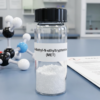

Product Name: DMT (N,N-Dimethyltryptamine) Synonyms: N,N-DMT; 2-(1H-indol-3-yl)-N,N-dimethylethanamine; Nigerine; Desoxybufotenine
General Description: DMT is formally described as 2-(1H-indol-3-yl)-N,N-dimethylethanamine. It is a naturally occurring, highly potent psychedelic molecule belonging to the tryptamine class. DMT is found ubiquitously in nature across numerous plant species (such as Mimosa hostilis and Psychotria viridis, the latter being a primary component of the traditional Amazonian brew Ayahuasca) and is also produced endogenously in trace amounts within the mammalian nervous system.
In analytical, clinical, and forensic toxicology, DMT is utilized as a fundamental reference standard. It is essential for the calibration of analytical instrumentation (such as LC-MS/MS, GC-MS, and HPLC) and the development of screening methodologies to identify and quantify the substance in botanical extracts, seized materials, or biological matrices.
Technical Information (Freebase):
- CAS Number: 61-50-7 (Freebase) / 2031-64-1 (Fumarate salt)
- Molecular Formula: C<sub>12</sub>H<sub>16</sub>N<sub>2</sub>
- Formula Weight: 188.27 g/mol
- SMILES: CN(C)CCC1=CNC2=CC=CC=C12
- InChI Key: CNILEDYJOWOQHK-UHFFFAOYSA-N
- Formulation: Typically supplied as a neat crystalline solid (often formulated as a fumarate salt to ensure chemical stability, increased water solubility, and accurate dosing) or as a certified reference material solution (e.g., 1 mg/mL in methanol or acetonitrile).
Biological Action: DMT acts primarily as a non-selective agonist at central serotonin receptors, particularly the 5-HT<sub>2A</sub>, 5-HT<sub>2C</sub>, and 5-HT<sub>1A</sub> subtypes. The robust activation of the 5-HT<sub>2A</sub> receptor is primarily responsible for its profound hallucinogenic effects. It also demonstrates affinity for the sigma-1 (σ1) receptor and the trace amine-associated receptor 1 (TAAR1). DMT is rapidly metabolized in the periphery by the enzyme monoamine oxidase A (MAO-A); consequently, it is largely inactive when administered orally unless co-ingested with an MAOI (such as the harmala alkaloids found in Banisteriopsis caapi). When vaporized or administered parenterally, it is characterized by an extremely rapid onset and a uniquely short duration of action.
Regulatory and Safety Information:
- Intended Use: This product is intended strictly for use as an analytical reference standard for forensic, toxicological, and academic research purposes.
- Warning: This product is not for human or veterinary use.
- Legal Status: DMT is strictly controlled under international law (1971 Convention on Psychotropic Substances). In the United States, it is classified as a Schedule I Controlled Substance. Procurement of bulk solid material requires active Drug Enforcement Administration (DEA) registration or an equivalent national license. However, highly dilute solutions (e.g., 1 mg/mL in methanol) are often formulated and sold as DEA-exempt preparations to qualified diagnostic and forensic laboratories. Handling should only occur within professional laboratory environments using appropriate Personal Protective Equipment (PPE).
| Weight | 0.01 kg |
|---|
Be the first to review “1 gram DMT (N,N-Dimethyltryptamine)”
Related products
Tryptamines
Tryptamines
Tryptamines

Tryptamines
Tryptamines
Tryptamines
Tryptamines

Tryptamines
Reviews
There are no reviews yet.