

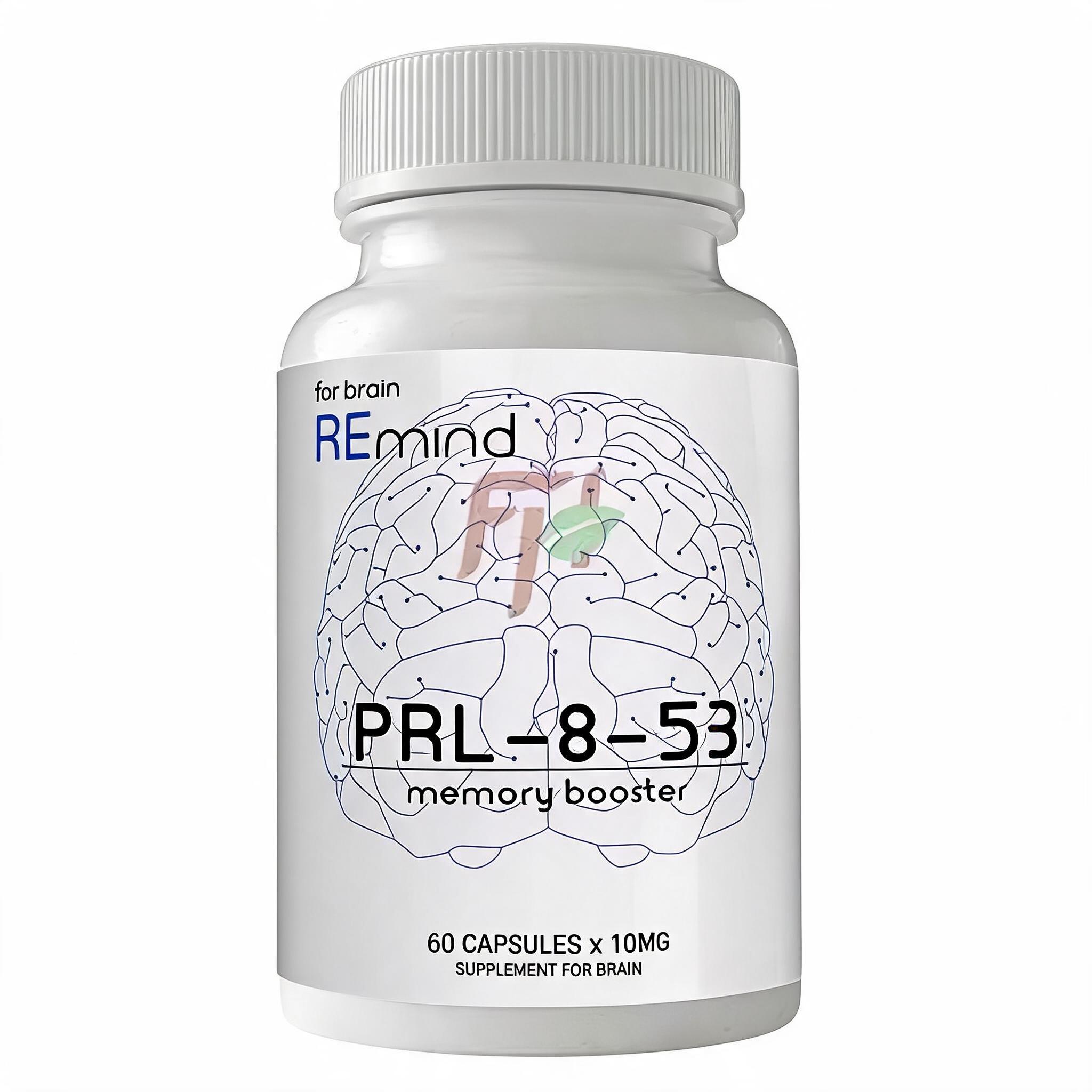
Product Name: PRL-8-53 Synonyms: Methyl 3-(2-(benzylmethylamino)ethyl)benzoate hydrochloride; 3-(2-(benzyl(methyl)amino)ethyl)benzoic acid methyl ester
General Description: PRL-8-53 is formally described as methyl 3-(2-(benzyl(methyl)amino)ethyl)benzoate. It is a synthetic, experimental small molecule that was originally discovered and developed in the 1970s by neuropharmacologist Dr. Nikolaus Hansl at Creighton University. Initially investigated as a potential therapeutic for cognitive decline and memory impairment, PRL-8-53 demonstrated notable memory-enhancing (nootropic) properties in early, limited human trials without eliciting classic psychomotor stimulant effects. Today, it remains an unapproved research chemical that garners significant interest within the experimental nootropic and academic communities.
In analytical and academic settings, PRL-8-53 is utilized as a reference standard for the calibration of analytical instrumentation (such as LC-MS/MS, GC-MS, and HPLC) and for in vitro and in vivo neuropharmacological research investigating learning and memory enhancement.
Technical Information (Hydrochloride Salt):
- CAS Number: 51352-87-5 (Hydrochloride) / 51352-88-6 (Freebase)
- Molecular Formula: C<sub>18</sub>H<sub>21</sub>NO<sub>2</sub> • HCl
- Formula Weight: 319.8 g/mol (Hydrochloride) / 283.36 g/mol (Freebase)
- SMILES: COC(=O)C1=CC(=CC=C1)CCN(C)CC2=CC=CC=C2.Cl
- InChI Key: DVSXIXGAYWIDRK-UHFFFAOYSA-N (Freebase)
- Formulation: Typically supplied as a neat white crystalline solid (formulated as a hydrochloride salt to ensure optimal chemical stability and aqueous solubility) or as a certified reference material solution.
Biological Action: The precise molecular mechanism of action for PRL-8-53 remains largely uncharacterized by modern pharmacological standards. Based on early preclinical studies by its creator, its cognitive-enhancing effects are hypothesized to arise from cholinergic potentiation (enhancing acetylcholine transmission) and mild dopaminergic agonism, coupled with a partial inhibition of central serotonin pathways. Unlike amphetamines or other classic stimulants, it does not appear to act as a potent monoamine releasing agent. In historical clinical data (most notably a 1978 double-blind study), PRL-8-53 was reported to significantly improve the retention of verbal information (hypermetric recall) in healthy human volunteers.
Regulatory and Safety Information:
- Intended Use: This product is intended strictly for use as an analytical reference standard for forensic, toxicological, and academic research purposes.
- Warning: This product is an experimental investigational compound. It is not for human or veterinary use.
| Weight | 0.01 kg |
|---|
Be the first to review “PRL-8-53”
Related products
Nootropics
Nootropics
Nootropics

Nootropics
Nootropics
Nootropics

Nootropics
Nootropics
Reviews
There are no reviews yet.